
Jan
Rings
Platinum vs White Gold Rings: what’s better for everyday wear?
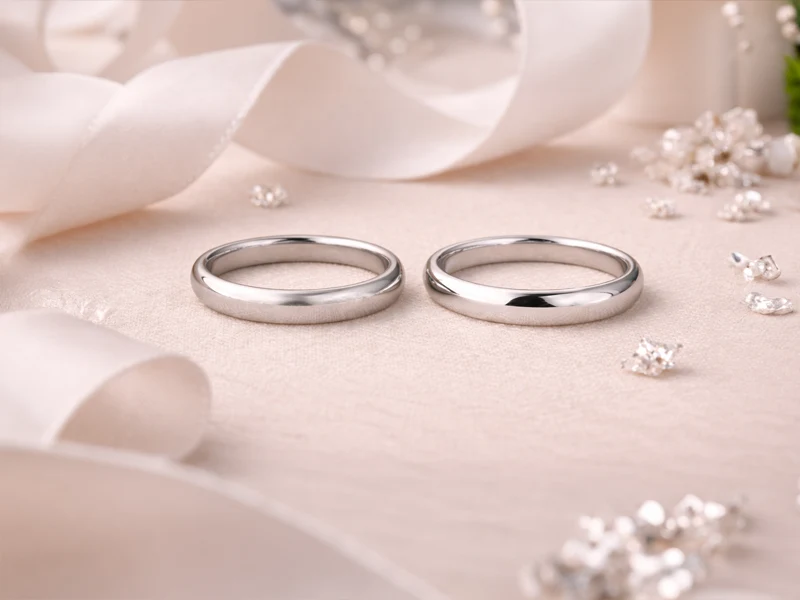
Platinum and white gold can look almost identical on the hand, especially when white gold is freshly rhodium plated. But they wear differently, they feel different, and over the years they ask different things of you.
This is the sort of conversation we have in the Stockport shop every week, usually when someone is choosing a ring they plan to wear daily. There is no single “best” metal. There is only the best choice for your lifestyle, budget and how you like your jewellery to look as it ages.
If you want to browse as you read, dip into our platinum rings and white gold rings collections. If you’d like to see everything in one place, our main rings hub is the best starting point.

The quick answer (if you want the calm, no-faff version)
Platinum tends to suit you if you want a naturally white metal with very little fuss. It has a heavier, more solid feel, and it often develops a soft patina over time rather than looking “worn out”.
White gold is often a great choice if you want the white-metal look at a lower upfront cost and you like that crisp, bright finish. Just bear in mind that the brightest white look usually comes from rhodium plating, which can need refreshing occasionally depending on how you wear your ring.
Platinum vs white gold at a glance
If you’re stood at the counter trying to decide between the two, here’s the simplest way to separate them.
Platinum: naturally white (no plating needed), a little heavier on the hand, and it tends to develop a gentle satin sheen with wear. If you ever want it mirror-bright again, it can be polished, but many people like the softer look it settles into.
White gold: often looks brightest when it’s freshly rhodium plated, feels lighter, and can look slightly warmer on high-contact areas over time as the plating wears. A quick re-plate brings that crisp finish back.
If you’re choosing something you’ll wear daily as a band, you might also want to browse our wedding rings category while you decide.

First: what are these metals actually made of?
Platinum
Platinum rings are usually a high-purity alloy. In the UK you’ll often see a 950 mark, which means 95% platinum. It’s naturally white and doesn’t rely on a plated surface for its colour.
White gold
White gold is gold mixed with other metals to create a paler tone. In UK jewellery you’ll commonly see 375 (9ct) or 750 (18ct). Many white gold rings are finished with a rhodium plate to give that bright, clean “white metal” look.
If you enjoy the tiny details, our guide to reading vintage jewellery hallmarks in the UK explains what those numbers and stamps mean in real life.

Colour: why does white gold sometimes “change”?
This catches people out, so it’s worth saying clearly. When white gold is freshly rhodium plated, it can look very bright and icy. Over time, everyday wear can rub that plating back (especially underneath the finger and along the edges). When that happens, the ring can start to look a touch warmer.
That doesn’t mean anything is “wrong” with the ring. It just means the finish is doing what finishes do. Platinum, on the other hand, is the same colour all the way through. It may lose a mirror shine and develop a softer sheen, but it doesn’t reveal a different tone underneath.

Everyday wear: which one holds up best?
Both metals are perfectly wearable for everyday life. The difference is how they show wear and how much that matters to you.
Platinum often shows wear as a gentle patina. Tiny marks build into a soft, slightly matte look that many people find flattering and “lived-in” rather than scruffy.
White gold can scratch as well (all rings do), but the main visual change is usually the plating. If you love a crisp, bright finish and you wear your ring daily, you may prefer to have it re-plated now and then to keep it looking freshly done.
If you’re choosing a stone-set style, have a look at our diamond rings collection too. The setting style matters just as much as the metal when it comes to snagging, knocks and day-to-day practicality.
Maintenance: what will you actually have to do?
Most ring care is simpler than people expect. A gentle clean at home makes a big difference for both metals: warm water, a small drop of washing up liquid and a soft toothbrush, then rinse and dry with a soft cloth.
With platinum, the question is usually whether you want to keep it mirror-bright or let it mellow. If you like the patina, you can simply keep it clean. If you miss the shine, a polish brings it back.
With white gold, you may also want to refresh the rhodium plating occasionally, especially if you’re hard on your hands. Some people do this every few years, some more often, and some hardly at all. It depends on wear and how the ring sits against your skin and other jewellery.
Weight and feel: the “you’ll notice it” factor
Platinum is denser than gold, which usually means it feels heavier on the hand. In a slim band it’s subtle. In a wider wedding ring, it can be very noticeable in a nice way, like the ring has presence.
White gold tends to feel lighter. If you’re not used to wearing rings every day, that can make it feel easier at first. If you’re unsure, try on a couple of widths in both metals. A 2–3mm band can feel completely different from a 6mm band, even in the same material.
Sensitive skin and allergies
If you’ve reacted to jewellery before, it’s worth being cautious. Platinum is high purity and doesn’t rely on plating, which many people find comfortable for everyday wear. White gold alloys vary, and older or vintage pieces can differ by maker and era. If sensitivity is a concern, ask questions and choose carefully.
Cost: upfront price vs long-term value
In simple terms, platinum usually costs more upfront. White gold is often cheaper to buy, but it may cost a little more over time if you refresh the plating occasionally. Neither is “better” financially in every case; it depends on your budget now and how you feel about maintenance later.
Which metal suits which type of ring?
Everyday bands and wedding rings
Platinum is a favourite for bands because it wears in gracefully and doesn’t depend on plating. That said, white gold wedding bands can be brilliant if you love a brighter finish and you’re happy to refresh it when needed. If you’re choosing a band, start with our wedding rings collection.

Diamond rings and engagement styles
Both metals work beautifully for diamond rings. The biggest practical difference usually comes down to the setting style and how high the stones sit. If you want something low-fuss for everyday wear, look for lower settings and smoother edges. If you love a taller setting, just be realistic about snagging on knitwear and hair.
Browse our diamond rings and see what feels right for the way you live.
Vintage and antique rings
With older rings, the metal choice is often part of the piece’s history. If you like rings with real character and a sense of story, you might enjoy browsing our antique rings.
A quick checklist to help you decide
If you’re still torn, these quick questions usually make the answer obvious.
- Do you want a naturally white metal with minimal upkeep? Platinum usually wins.
- Do you want the bright white look and you don’t mind refreshing the finish? White gold can be perfect.
- Are you hard on your hands (gym, DIY, hands-on work)? Platinum often feels simpler long-term.
- Do you prefer a lighter ring you barely notice? White gold often feels easier day to day.
FAQs
Does white gold turn yellow?
White gold can look warmer as rhodium plating wears, especially on edges and the underside of the band. It isn’t “turning yellow” so much as revealing the natural tone of the alloy beneath the plating. Re-plating restores that bright white finish.
Does platinum scratch?
Yes. All rings scratch over time. Platinum often shows this as a soft patina rather than sharp-looking scuffs, and it can be polished if you prefer a high shine.
Which is better for everyday wear?
Both can be. If you want the simplest long-term look with minimal finish upkeep, platinum is often the easier choice. If you love a crisp, bright finish and don’t mind refreshing plating occasionally, white gold is absolutely wearable for everyday life.
Should my engagement ring and wedding band match?
Matching metals can help rings wear evenly where they rub together, but it’s not a strict rule. Mixing metals can look brilliant when it feels intentional, especially if you repeat each metal at least once across your jewellery.
Next steps
Browse platinum rings or explore our white gold rings collection. If you’d like to see all styles in one place, head to the main rings hub.
If you’re not sure which metal is going to suit your lifestyle (or you want an honest opinion on a specific ring), you’re always welcome to get in touch. We talk people through these choices every week in Stockport, and we’re happy to help you choose the ring you’ll actually enjoy wearing.
